
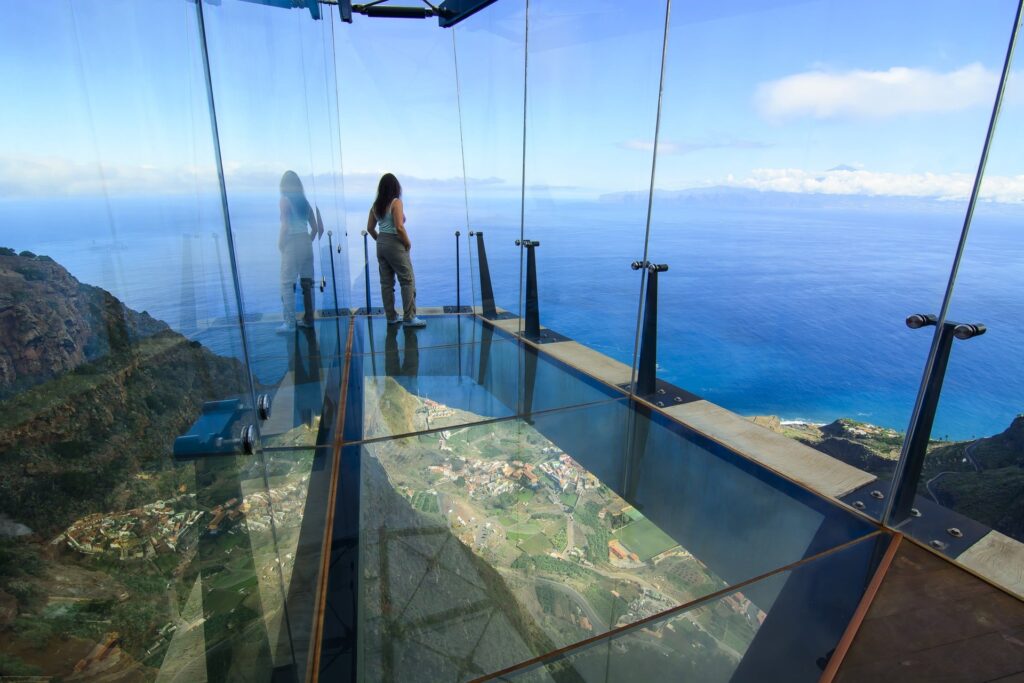
If you are wondering what to do in La Gomera, the answer begins with its rhythm: slower, greener, and more elemental than many island destinations. This is a place of ancient forests, volcanic coves, quiet villages, and food rooted in land and sea. At Ávalos, we have spent years observing how discerning travellers choose La Gomera not simply for a holiday, but for a deeper sense of connection. This guide brings together the island’s essential experiences — from hiking and beaches to gastronomy and culture — with an eye for comfort, authenticity, and lasting value.
Hiking in La Gomera: from laurel forest to Atlantic cliffs
Hiking in La Gomera is one of the island’s defining pleasures. The landscape changes rapidly: misty laurel forest in Garajonay National Park, ravines carved into volcanic rock, palm-filled valleys, and high viewpoints opening towards Tenerife and the Atlantic. It is this variety, concentrated within a compact island, that makes walking here feel so rewarding.
For first-time visitors, Garajonay offers the most iconic introduction, whilst the island’s traditional paths reveal a quieter side of local life. Some routes are gentle and circular, ideal for a slow morning; others connect villages, ridgelines, and coast over several days. Staying close to the island’s eastern coastline, near Bahía de Ávalos and La Gomera’s natural setting, allows travellers to combine active days with privacy, sea views, and restorative evenings.
Beaches in La Gomera: volcanic beauty without excess
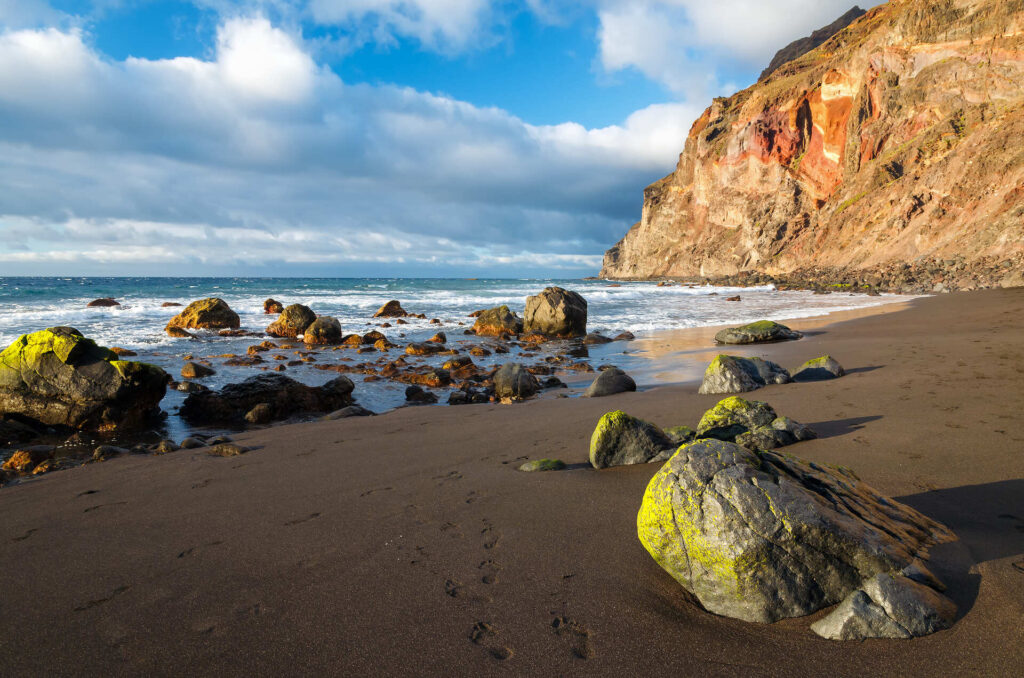
The best beaches in La Gomera are not designed for spectacle in the conventional sense. Their appeal lies in black volcanic sand, clear water, dramatic cliffs, and a feeling of space that is increasingly rare in the Canary Islands. Valle Gran Rey is known for sunsets and a relaxed international atmosphere, whilst Playa de Santiago combines swimming, seafront dining, and access to nautical excursions.
La Caleta, near Hermigua, offers a wilder northern character, and Vallehermoso pairs coastal scenery with bathing areas that can feel more sheltered. Some coves require care, sensible footwear, and attention to sea conditions, yet that is part of their quiet charm. La Gomera’s coastline invites a different kind of beach day: fewer distractions, more horizon, and a closer relationship with the island’s volcanic form.
Practical ways to enjoy excursions in La Gomera
The most memorable excursions in La Gomera are rarely rushed. A well-planned day might begin with a forest walk, continue through a rural village, pause for local food, and end by the sea. For travellers who value ease, the island works best when its experiences are linked by mood rather than checklist.
- Start early: Morning light is softer, paths are quieter, and temperatures are more comfortable for walking or coastal exploring.
- Balance altitude and coast: Combining forest, viewpoint, and beach in one day reveals the island’s remarkable diversity without overcomplicating the itinerary.
- Choose guided depth: Local guides add context on geology, botany, traditions, and responsible access, especially amongst lesser-known routes.
- Respect the pace: La Gomera rewards travellers who leave time for silence, conversation, and spontaneous stops in small villages.
Local gastronomy and cultural experiences
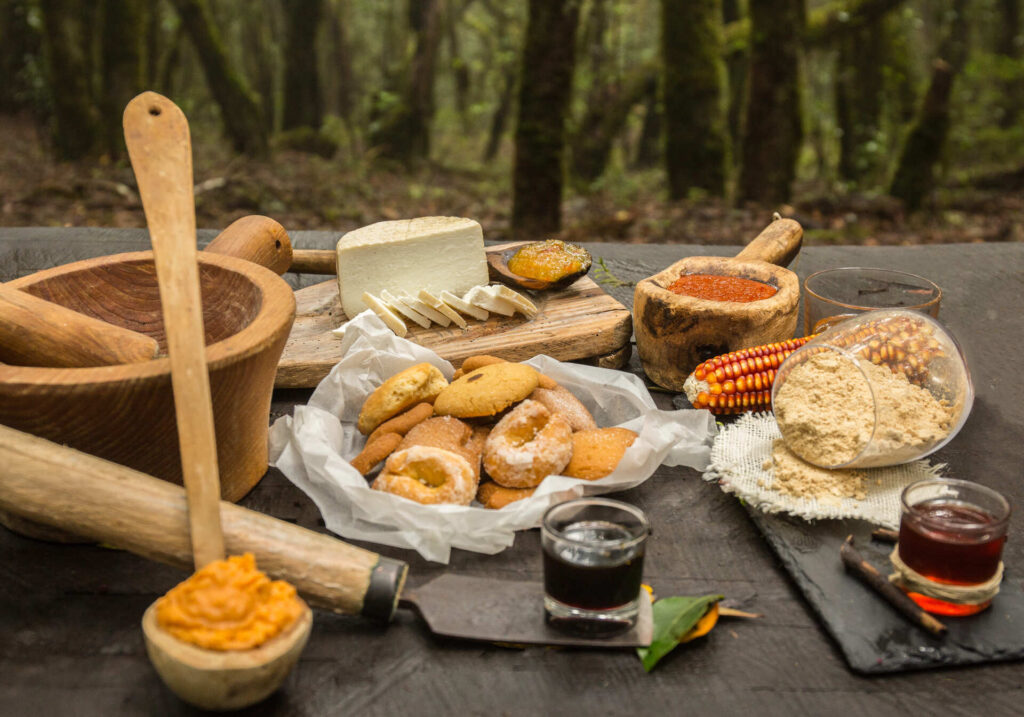
Tourism in La Gomera is deeply connected to food. The island’s table is modest in presentation yet rich in identity: almogrote, artisan cheeses, gofio, palm honey, local fish, and seasonal produce. After a walk, a simple meal in a rural restaurant can become one of the most memorable parts of the day because it reflects landscape, craft, and family tradition.
Cultural experiences add another layer. Ethnographic centres, agricultural visits, archaeological routes, and traditional villages help visitors understand how people have lived with steep terrain, limited resources, and remarkable ingenuity. This is where La Gomera’s appeal becomes more than scenic. It is a living island, shaped by rural knowledge, conservation, and continuity — values that resonate naturally with Ávalos’ philosophy and project credentials.
A slower vision of luxury in the Canary Islands
La Gomera is not about excess. Its most compelling form of luxury is space, privacy, clean air, clear skies, and unspoilt nature. For some visitors, that means whale watching, kayaking, snorkelling, cycling, or stargazing. For others, it means reading on a terrace after a morning walk, or enjoying the sound of the sea with nothing scheduled.
This is why the island speaks so clearly to those considering a second home, a managed holiday asset, or a more meaningful relationship with the Canary Islands. A villa here is not simply a base for tourism; it is a way to inhabit a landscape with care. The strongest ownership experiences are those that respect both comfort and context, aligning lifestyle, design, and long-term stewardship.
If a quieter island life — where nature, privacy, and considered ownership can work together — resonates with you, we would be glad to help you explore the possibilities. Discover Ávalos’ investment structure in La Gomera.
Frequently asked questions about what to do in La Gomera
What is La Gomera best known for?
La Gomera is best known for Garajonay National Park, outstanding hiking routes, volcanic beaches, rural villages, and a slower approach to tourism. It is ideal for travellers who value nature, authenticity, and calm.
Is La Gomera good for hiking?
Yes. Hiking in La Gomera is one of the island’s strongest attractions, with routes through laurel forest, mountains, ravines, and coastal landscapes. There are options for gentle walkers and experienced hikers alike.
Which beaches in La Gomera are worth visiting?
Valle Gran Rey, Playa de Santiago, La Caleta, and Vallehermoso are amongst the most appealing coastal areas. Expect volcanic scenery, natural bathing spots, and a quieter atmosphere than larger resort islands.
How many days do you need in La Gomera?
Three to five days allow time for hiking, beaches, local gastronomy, and cultural visits. A longer stay gives you space to enjoy the island’s slower rhythm and explore more remote areas without rushing