
For travellers wondering what to do in La Gomera, the answer begins with something rarer than an itinerary: a sense of place that has not been overexplained, overbuilt, or overexposed. This compact island in the Canary Islands offers volcanic drama, subtropical forest, black-sand coves, and a pace that invites you to notice details again. At Ávalos, we have spent several years studying how La Gomera’s landscape, culture, and privacy can support a more considered form of luxury — one rooted in nature, wellbeing, and long-term value.
A volcanic island shaped by time, not noise
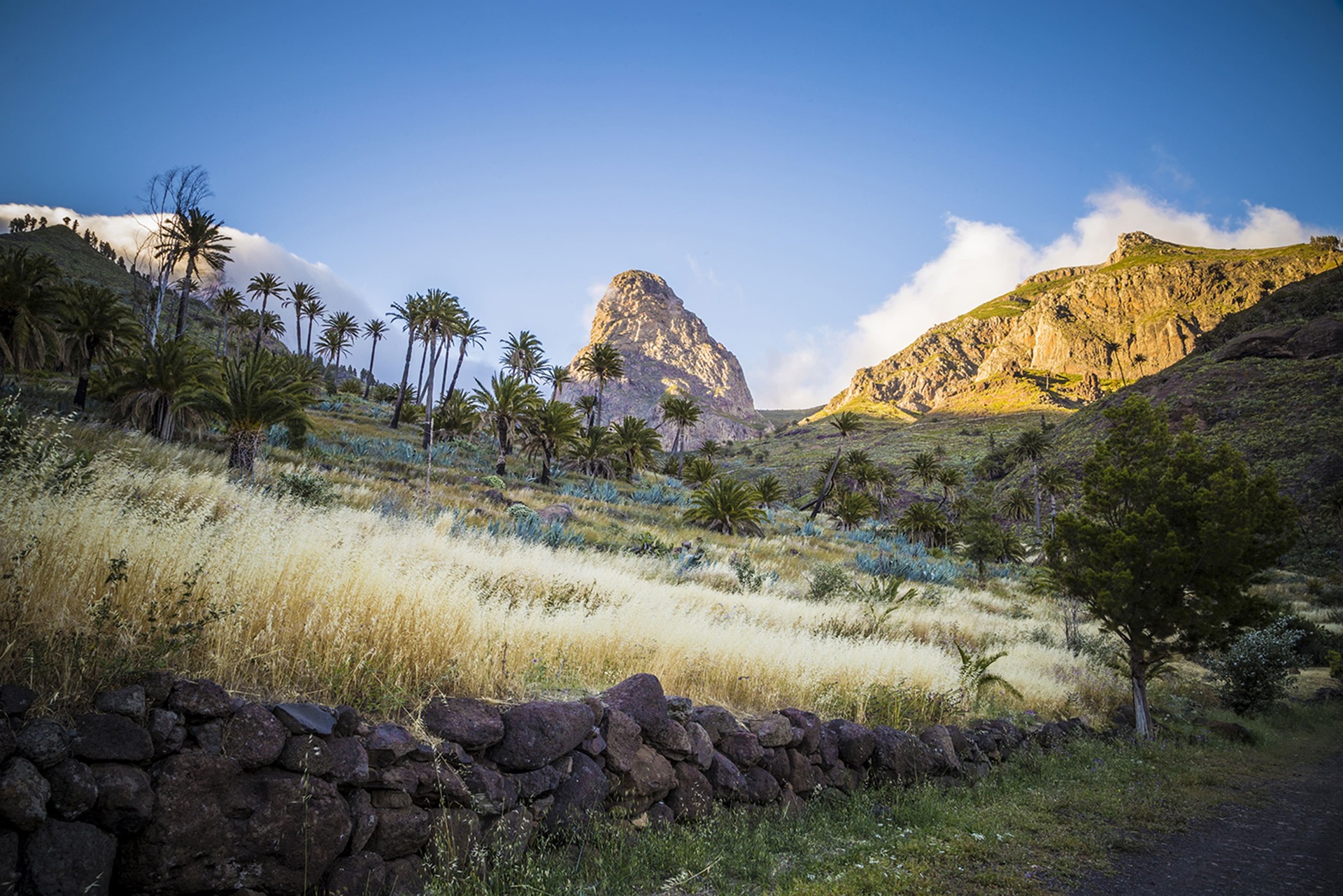
La Gomera is volcanic in origin, yet its character is defined less by recent eruptions than by ancient erosion. Deep ravines, sculptural rock formations, and steep green valleys create a landscape that feels intimate and monumental at once. Unlike destinations built around spectacle, La Gomera rewards quiet attention — the way light shifts across a barranco, or the way the Atlantic appears suddenly between terraced hillsides.
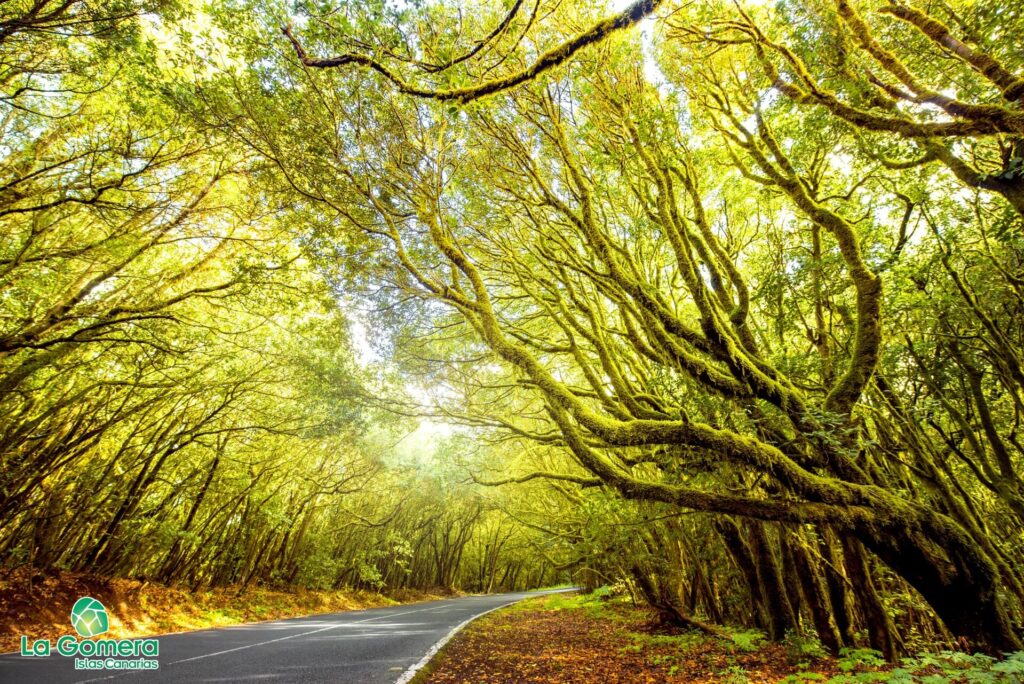
At the island’s heart lies Garajonay, a national park and one of Europe’s most precious examples of laurel forest. Mist, moss, ferns, and evergreen canopy give the centre of the island an almost primeval atmosphere. This is where La Gomera’s exclusivity becomes clear: not through excess, but through rarity. To understand the setting around Ávalos, explore the island context through our guide to La Gomera, access, and Bahía de Ávalos.
Nature as a way of living
The island’s biodiversity is not a background feature; it shapes daily life. The forest moderates the climate, the ravines protect small agricultural valleys, and the surrounding ocean brings marine life close to shore. For those seeking beaches in La Gomera, the appeal is not vast resort frontage, but discreet coves, volcanic sand, natural pools, and swimming places where the setting remains the protagonist.
This is why La Gomera suits a particular kind of traveller and owner: someone who values space, silence, and authenticity more than performance. Days may include walking through Garajonay, swimming at Playa de Santiago, watching the sunset in Valle Gran Rey, or simply remaining on a terrace with the sea in view. Luxury here is measured in privacy, climate, and the freedom to do very little beautifully.
What to experience when the island sets the pace
La Gomera is best approached slowly. Its roads curve through ravines and ridges, its villages invite unhurried lunches, and its landscapes change dramatically within short distances. For many visitors, the most valuable experiences are practical, restorative, and deeply connected to place.
- Walking immersion: The trails in La Gomera connect forest, coast, and traditional settlements, making walking one of the island’s most elegant ways to understand its scale.
- Coastal privacy: Beaches in La Gomera tend to be small, volcanic, and low-key, creating a calm seaside rhythm rather than a conventional resort atmosphere.
- Village character: Charming villages in La Gomera such as Agulo, Hermigua, Vallehermoso, and San Sebastián reveal local architecture, agriculture, and island hospitality.
- Year-round ease: The best time to visit La Gomera is often spring or autumn, whilst winter also offers mild coastal days and a refined sense of retreat.
Culture that still feels lived-in
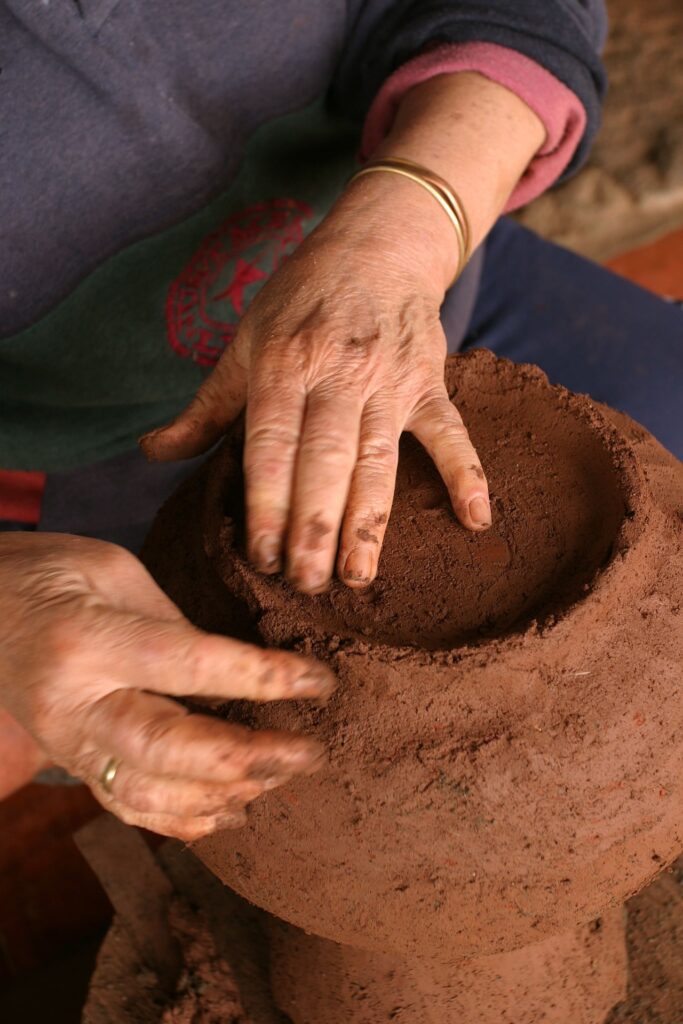
Part of La Gomera’s distinction is cultural continuity. The Silbo Gomero — the island’s traditional whistled language — is not a decorative anecdote, but a symbol of adaptation to a rugged landscape. Across valleys and villages, it speaks to an island where communication, farming, and community were shaped by geography. That sense of living heritage gives La Gomera depth beyond scenery.
San Sebastián offers harbour life, history, and essential services, whilst Hermigua, Agulo, and Valle Gran Rey each express a different mood of the island. These are not staged destinations; they are working communities with local produce, modest restaurants, traditional houses, and views that feel earned. This philosophy of belonging, rather than imposing, is central to the Ávalos team and project vision.
A quieter definition of exclusivity
In many destinations, exclusivity is associated with separation. In La Gomera, it is more subtle: limited density, natural beauty, and a lifestyle that resists unnecessary acceleration. For owners and long-stay guests, this creates a compelling balance between island retreat and access — close to Tenerife by ferry, yet emotionally far from crowded tourism circuits.
That balance is precisely why sustainable, carefully managed hospitality has such relevance here. A villa in La Gomera is not simply a place to stay; it can be an asset with lifestyle value, a base for wellness, walking, family time, and meaningful returns when supported by professional management. Those considering ownership can learn more about the villa acquisition and ownership model.
If the idea of a quieter Canary Islands sanctuary — where nature, privacy, and long-term value can coexist — resonates with you, we would be glad to share how Ávalos approaches responsible resort investment. Explore the Ávalos investment structure.
Frequently asked questions about what makes La Gomera special
What is La Gomera best known for?
La Gomera is best known for Garajonay National Park, volcanic ravines, laurel forest, quiet coastal villages, and the Silbo Gomero. Its appeal lies in authentic nature rather than large-scale tourism.
What are the best things to do in La Gomera?
The best experiences include walking forest and coastal trails, visiting charming villages in La Gomera, swimming at volcanic beaches, tasting local produce, and taking time to enjoy the island’s slower rhythm.
Are the beaches in La Gomera suitable for luxury travellers?
Yes, although in a discreet way. The beaches in La Gomera are often small, volcanic, and peaceful, making them ideal for travellers who prefer privacy and natural beauty over crowded beachfront infrastructure.
When is the best time to visit La Gomera?
The best time to visit La Gomera is usually spring or autumn, when temperatures are mild and landscapes are especially inviting. Winter is also attractive for those seeking gentle sun and a calm island retreat.